
CERVICAL SPONDYLOSIS & NECK PAIN TREATMENT
Neck pain, headaches, or tingling in your arm?
It could be cervical spondylosis or a cervical slip disc.
These are common conditions caused by age-related wear and tear or prolonged poor posture, especially in today’s screen-heavy lifestyle.
WHAT IS CERVICAL SPONDYLOSIS?
Cervical spondylosis is a general term for degenerative changes in the neck (cervical spine).
It can involve:
Weakening of neck muscles (causing neck pain, headaches, dizziness)
Injury to discs leading to cervical slip disc (herniated disc)
Narrowing of the spinal canal causing spinal cord compression (myelopathy)
Over time, these changes can affect multiple levels of the spine.
COMMON SYMPTOMS OF CERVICAL DISC PROBLEMS
You may experience:
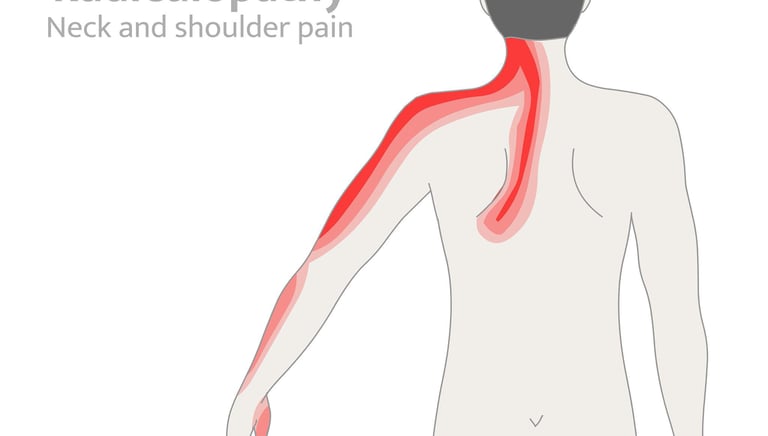
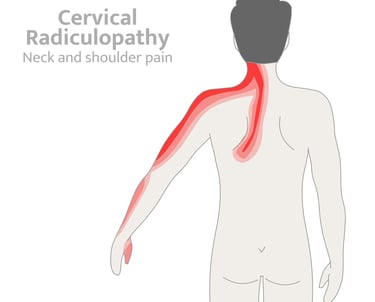
Neck and shoulder pain (intermittent or continuous)
Muscle spasms
Pain from neck to head causing headaches, dizziness, nausea
Pain radiating from neck to arm and fingers (cervical radiculopathy)
Weak grip strength or arm weakness
Numbness in arm or hand
Difficulty with fine movements (buttoning shirt, writing, tying hair)
Changes in handwriting
Difficulty in walking (in advanced cases)
These symptoms may overlap with other conditions. Proper diagnosis is essential.


WHO IS AT RISK?
Common age group: 35–60 years
High-risk profiles:
Sedentary individuals
Long hours on laptop or mobile
Poor posture (forward bending / stooping)
Desk jobs without ergonomic support
In older adults:
Disc degeneration
Loss of disc height
Narrowing of spinal canal
Multi-level spine involvement
DIAGNOSIS OF CERVICAL SPINE CONDITIONS
Accurate diagnosis helps identify the exact cause.
Tests include:
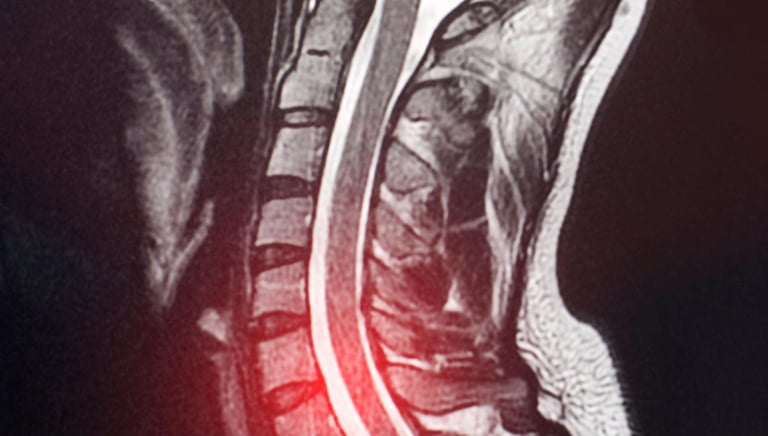
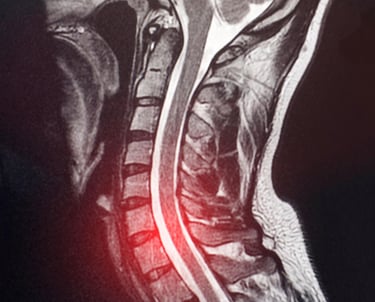
MRI Scan
Best for evaluating discs, spinal cord, and nerve rootsEMG (Electromyography)
Assesses nerve function and source of pain
Additional tests may be advised to rule out other conditions.
NON-SURGICAL TREATMENT FOR NECK PAIN
Rest (short-term, controlled)
Medications (pain relief, anti-inflammatory, muscle relaxants)
Posture correction
Gradual return to activity and exercise
With proper care, many patients improve within 3–6 weeks.
WHEN IS SURGERY REQUIRED?
Surgery is considered when:
Pain persists beyond 6–12 weeks
Symptoms worsen despite treatment
Nerve damage (weakness, numbness) is present
Signs of spinal cord compression (myelopathy)
Early intervention in such cases improves recovery.
SURGICAL OPTIONS FOR CERVICAL SPINE
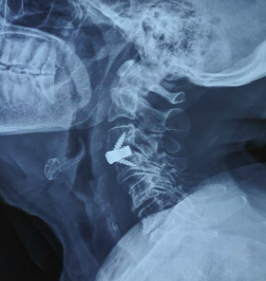
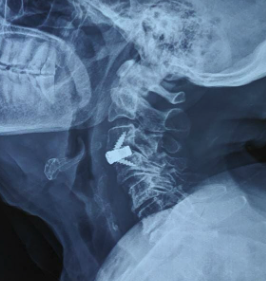
1. Anterior Cervical Discectomy & Fusion (ACDF)
Performed from the front of the neck
Removes the damaged disc
Relieves pressure on nerves
Stabilizes spine using bone graft and implant
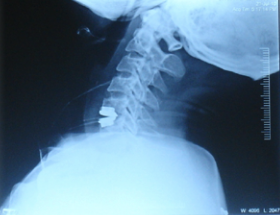
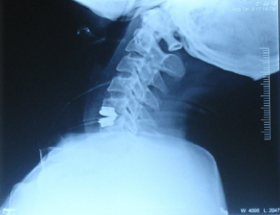
2. Cervical Disc Replacement (CDR)
Similar to ACDF but preserves motion
Uses an artificial disc instead of fusion
Often recommended for younger patients
3. Posterior Cervical Laminectomy / Fixation
Performed from the back of the neck
Used in multi-level compression
Creates space for spinal cord and nerves
WHY EARLY TREATMENT MATTERS
Ignoring neck pain or nerve symptoms can lead to:
Chronic pain
Permanent nerve damage
Reduced mobility
Early diagnosis ensures simpler treatment and better outcomes.
Neck pain is common. Nerve damage is not.
If you have persistent neck pain or arm symptoms, don’t wait.
Book a consultation for a clear diagnosis and treatment plan.
Expert cervical spine care in Mumbai
Non-surgical treatment first approach
Advanced minimally invasive surgery if required
Frequently asked questions
How long will I stay in the hospital after cervical spine surgery?
ACDF or Cervical Disc Replacement (CDR):
Patients are mobilized within a few hours and usually discharged within 24 hoursCervical Laminectomy:
Patients start walking the next day and are typically discharged in 3–4 days
What precautions should I take after surgery?
Wear a cervical collar for 2–3 weeks
Continue physiotherapy exercises as advised
Keep the wound dry for about 10 days
Avoid:
Forward bending
Sitting on the floor
Lifting heavy weights (8–10 kg)
For about 3–6 weeks
Can I return to a normal life after cervical disc surgery?
Yes.
Once healing begins:
You can gradually return to daily activities
Resume work, travel, and light physical activity
Progress to a fully active lifestyle over time
Surgery is designed to provide fast and reliable recovery, helping you get back to normal life safely.
Dr. Amandeep Gujral is a leading Minimally Invasive Spine Surgeon in Mumbai.
He specializes in Minimally Invasive Spine Surgery (MISS) and treats conditions like slip disc, sciatica, neck pain, spine deformity, infections, and tumors.
Providing advanced, patient-focused spine care across Mumbai.
Board certified spine surgeon in Mumbai.
© 2026 Spinecareindia.com |
Dr. Amandeep Gujral & Spinecareindia.com.
All Rights Reserved.
The information on this website is for general educational purposes only and is not a substitute for professional medical advice.