
SPINE INFECTION TREATMENT
Persistent back pain with fever, weight loss, or weakness?
It could be a spine infection, a serious but treatable condition when diagnosed early.
Spine infections are uncommon, but delaying treatment can lead to nerve damage, instability, or paralysis.
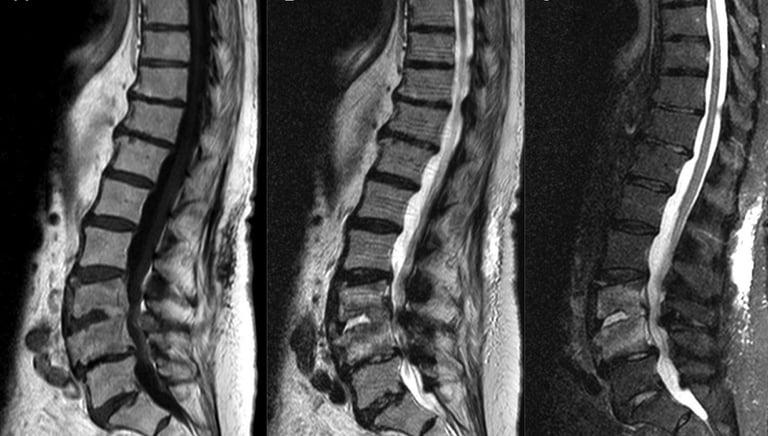
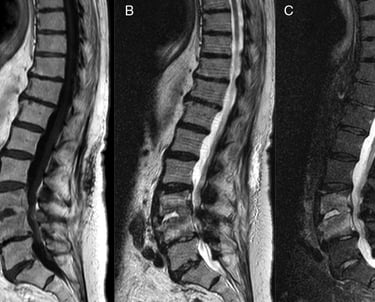
WHAT IS A SPINE INFECTION?
A spine infection occurs when bacteria, tuberculosis, or fungi infect:
Vertebrae (bones of the spine)
Intervertebral discs
Surrounding soft tissues
It is primarily a medical condition, usually treated with medications, but may require surgery in advanced cases.
SYMPTOMS OF SPINE INFECTION
Spine infection may cause:
Persistent or continuous back pain
Pain even at rest or at night (disturbs sleep)
Muscle spasms
Pain radiating to chest or abdomen
Fever, fatigue, loss of appetite, weight loss
Weakness in arms or legs
Numbness or tingling
These symptoms may resemble other conditions. Proper diagnosis is essential.


WHO IS AT RISK?
Spine infections are rare but more likely in:
Elderly individuals
Patients with low immunity
Kidney failure patients on dialysis
Long-term steroid users
Patients with prolonged ICU stay
Individuals with existing infections (UTI, tuberculosis, blood infections)
COMMON CAUSES OF SPINE INFECTION
1. Tuberculosis (Most common in India)
A leading cause of spine infection
Patients are not contagious in spine TB
2. Pyogenic (Bacterial Infection)
Infection spreads from blood or other organs
Common sources: urinary tract, bloodstream
3. Fungal Infections
Rare but increasing
Seen in immunocompromised or post-COVID patients
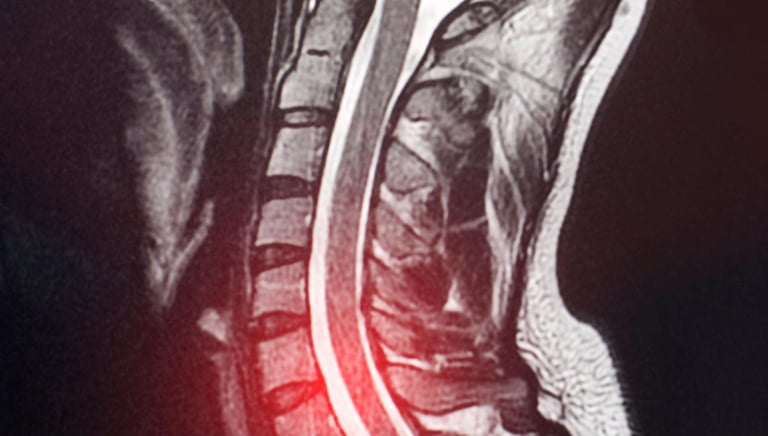
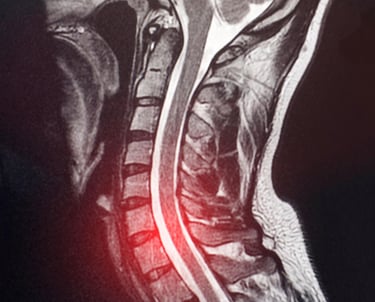
DIAGNOSIS OF SPINE INFECTION
Early and accurate diagnosis is critical.
Tests include:
Blood Tests
(CBC, CRP, ESR, blood and urine cultures) to detect infectionX-rays
Initial assessment of bone damageMRI Scan
Best for identifying infection, nerve compression, and soft tissue involvementBiopsy
Confirms the exact organism causing infection
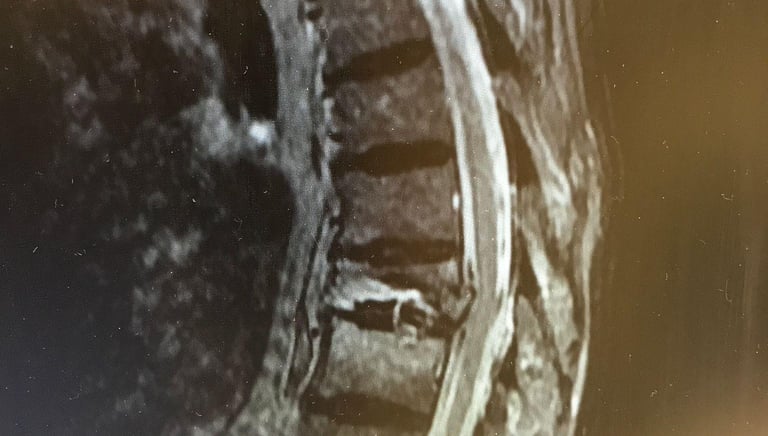
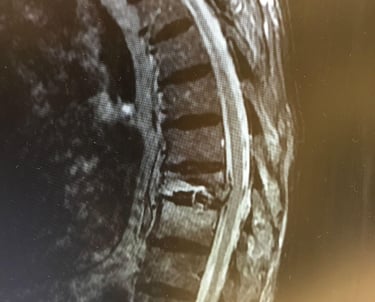
TREATMENT – DOES IT ALWAYS REQUIRE SURGERY?
No. Most spine infections are treated without surgery.
MEDICAL (NON-SURGICAL) TREATMENT
Targeted antibiotics or anti-tubercular therapy
Duration depends on the type of infection
Regular monitoring and follow-up
WHEN IS SURGERY REQUIRED?
Surgery is considered if:
Severe or uncontrollable pain
Risk of nerve damage or paralysis
Existing neurological weakness
Significant destruction causing spine instability
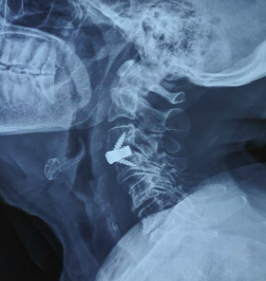
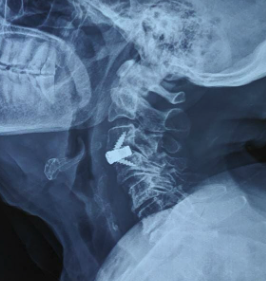
SURGICAL TREATMENT OPTIONS
1. Intraoperative Biopsy
Confirms infection type
Helps start precise antibiotic treatment
2. Laminectomy / Decompression
Removes pressure on nerves
Allows drainage of infection
Helps relieve pain and improve recovery
3. Stabilization / Fixation
Used when bones are weakened or destroyed
Spine is supported with rods and screws
Restores stability and prevents collapse
WHY EARLY TREATMENT IS CRITICAL
Delaying treatment can lead to:
Permanent nerve damage
Spine deformity
Paralysis
Chronic pain
Early diagnosis ensures better recovery and fewer complications.
WHEN SHOULD YOU SEE A DOCTOR?
Persistent back pain with fever
Pain at rest or at night
Unexplained weight loss
Weakness or numbness
These are red flags and should not be ignored.
Spine infections are serious, but highly treatable when caught early.
If you have persistent back pain with systemic symptoms, don’t delay.
Book a consultation for accurate diagnosis and timely treatment.
Expert spine infection care in Mumbai
Medical treatment first approach
Advanced surgical care if required
Frequently asked questions
Is osteoporosis reversible?
Osteoporosis cannot be completely reversed, but it can be effectively managed and improved.
With the right treatment:
Bone loss can be slowed or stopped
Bone strength can be improved
Risk of future fractures can be significantly reduced
Is vertebroplasty or kyphoplasty safe?
Yes, these are very safe and well-established procedures.
Performed under local anesthesia
Minimal risk with proper precautions
Routine blood tests are done before the procedure
Blood-thinning medications may need to be temporarily stopped
An anesthetist is always available if sedation is required.
How long will I need to stay in the hospital?
No strict bed rest is required.
You can move around the house with a spine support belt
Outdoor activity is usually allowed after 3–4 weeks
What precautions should I take after the procedure?
The injected cement acts like a support for the weakened bone.
During recovery, you should avoid:
Ground-level activities
Lifting heavy weights
Sudden or jerky movements
Movements should be controlled until the fracture heals.
How quickly will pain improve after vertebroplasty?
Most patients experience significant pain relief within hours to days after the procedure, as the fracture is stabilized.
This is done through medications, calcium, vitamin D, and lifestyle changes.
Can osteoporosis fractures happen again?
Yes, if underlying bone weakness is not treated.
Preventing recurrence requires:
Bone-strengthening treatment
Regular follow-ups
Fall prevention and lifestyle changes
STILL HAVE QUESTIONS?
Osteoporosis and spine fractures need a personalized approach.
Book a consultation to understand your condition and the best treatment plan.
Dr. Amandeep Gujral is a leading Minimally Invasive Spine Surgeon in Mumbai.
He specializes in Minimally Invasive Spine Surgery (MISS) and treats conditions like slip disc, sciatica, neck pain, spine deformity, infections, and tumors.
Providing advanced, patient-focused spine care across Mumbai.
Board certified spine surgeon in Mumbai.
© 2026 Spinecareindia.com |
Dr. Amandeep Gujral & Spinecareindia.com.
All Rights Reserved.
The information on this website is for general educational purposes only and is not a substitute for professional medical advice.