
OSTEOPOROTIC SPINE FRACTURE TREATMENT
Sudden back pain after a minor fall or even a cough?
It could be an osteoporotic spine fracture.
Osteoporosis weakens bones, making them fragile and prone to fractures even with minor stress. Early diagnosis and the right treatment can relieve pain, restore mobility, and prevent further fractures.
WHAT IS OSTEOPOROSIS?
Osteoporosis is a condition where bones become:
Weak
Brittle
Less dense
A normally strong bone becomes unable to bare routine mechanical stress, leading to fractures even after minor falls, jerks, or strain.
The spine is one of the most commonly affected areas.
WHAT IS AN OSTEOPOROTIC SPINE FRACTURE?
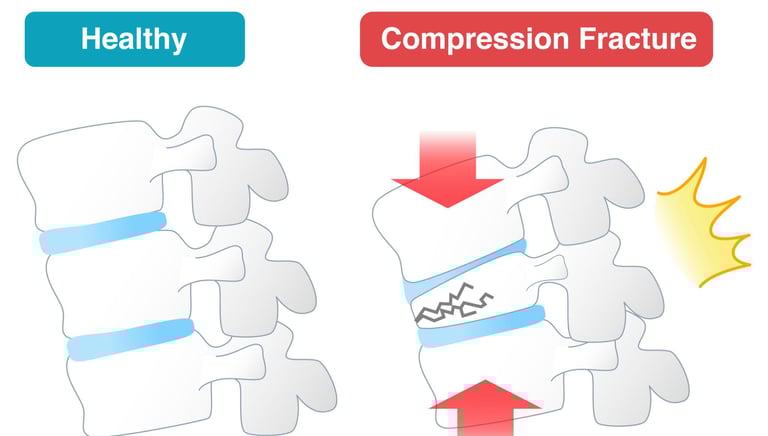
An osteoporotic fracture occurs when a weakened vertebra collapses or cracks.
These are often called compression fractures and can cause:
Sudden back pain
Loss of height
Stooped posture (kyphosis)


SYMPTOMS OF OSTEOPOROTIC FRACTURE
Mid or lower back pain
Pain starting after a minor fall, cough, or sudden movement
Pain while standing or walking
In some cases:
Pain radiating to legs
Imbalance or difficulty walking
CAUSES & RISK FACTORS
Common causes:
Age-related bone loss (especially in elderly)
Hormonal changes
Medical conditions & medications:
Kidney failure (dialysis patients)
Long-term steroid use
Anti-epileptic or psychiatric medications
Risk factors include:
Falls (even minor, like in the bathroom)
Sudden jerky movements
Severe coughing
DIAGNOSIS
Tests used:
X-rays
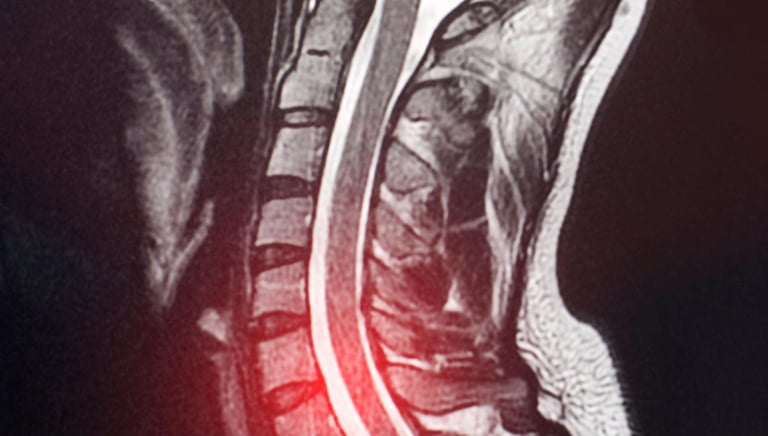
First and simplest test to detect fracturesMRI Scan
Helps assess fracture severity, healing, and nerve involvementDEXA Scan (Bone Density Test)
Measures bone strength and risk of future fractures
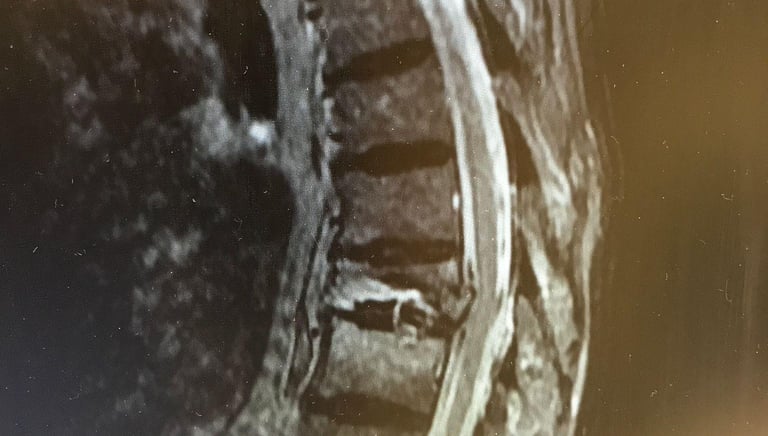
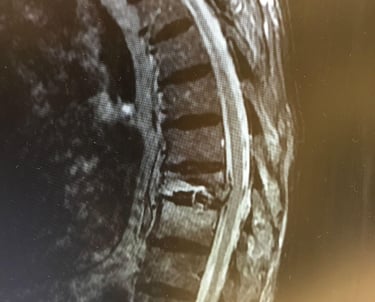
TREATMENT OF OSTEOPOROTIC FRACTURES
Most fractures heal without surgery
NON-SURGICAL TREATMENT
Bed rest for 4–6 weeks
Spine support brace while walking
Pain medications
Osteoporosis treatment:
Calcium & Vitamin D
Bone-strengthening medications (bisphosphonates, PTH, Denosumab)
WHEN IS SURGERY REQUIRED?
Surgery is considered if:
Fracture is not healing
Pain is severe and uncontrolled
Bed rest is not feasible
Nerve compression causes weakness in legs
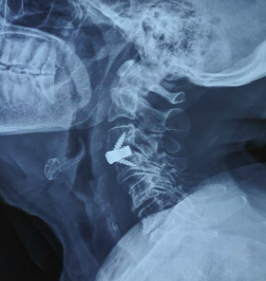
MINIMALLY INVASIVE SURGERY OPTIONS
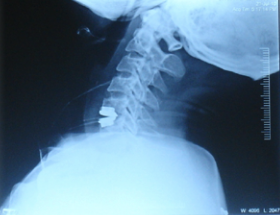
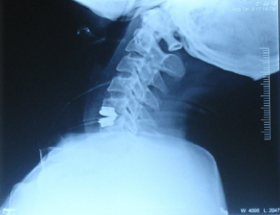
Vertebroplasty / Kyphoplasty
Minimally invasive procedure
Done under local anesthesia
Takes about 30 minutes
Bone cement is injected into the fractured vertebra
No stitches required
This stabilizes the fracture and provides rapid pain relief.
Advanced Stabilization (if required)
In some cases:
Cement alone may not be enough
Additional screws may be inserted
Done through small keyhole incisions
This provides added stability to the spine.
RECOVERY & PREVENTION
Gradual return to activity
Bone strengthening treatment
Fall prevention strategies
Regular follow-up
Managing osteoporosis is key to prevent future fractures.
WHEN SHOULD YOU SEE A DOCTOR?
Sudden back pain after minor injury
Persistent pain in elderly patients
Difficulty standing or walking
History of osteoporosis
Early diagnosis can prevent complications and long-term disability.
A minor fall should not lead to major problems.
If you have sudden back pain, don’t ignore it.
Book a consultation for accurate diagnosis and treatment.
Expert osteoporosis and spine care in Mumbai
Non-surgical treatment first approach
Minimally invasive procedures when needed
Frequently asked questions
Is osteoporosis reversible?
Osteoporosis cannot be completely reversed, but it can be effectively managed and improved.
With the right treatment:
Bone loss can be slowed or stopped
Bone strength can be improved
Risk of future fractures can be significantly reduced
Is vertebroplasty or kyphoplasty safe?
Yes, these are very safe and well-established procedures.
Performed under local anesthesia
Minimal risk with proper precautions
Routine blood tests are done before the procedure
Blood-thinning medications may need to be temporarily stopped
An anesthetist is always available if sedation is required.
How long will I need to stay in the hospital?
No strict bed rest is required.
You can move around the house with a spine support belt
Outdoor activity is usually allowed after 3–4 weeks
What precautions should I take after the procedure?
The injected cement acts like a support for the weakened bone.
During recovery, you should avoid:
Ground-level activities
Lifting heavy weights
Sudden or jerky movements
Movements should be controlled until the fracture heals.
How quickly will pain improve after vertebroplasty?
Most patients experience significant pain relief within hours to days after the procedure, as the fracture is stabilized.
This is done through medications, calcium, vitamin D, and lifestyle changes.
Can osteoporosis fractures happen again?
Yes, if underlying bone weakness is not treated.
Preventing recurrence requires:
Bone-strengthening treatment
Regular follow-ups
Fall prevention and lifestyle changes
STILL HAVE QUESTIONS?
Osteoporosis and spine fractures need a personalized approach.
Book a consultation to understand your condition and the best treatment plan.
Dr. Amandeep Gujral is a leading Minimally Invasive Spine Surgeon in Mumbai.
He specializes in Minimally Invasive Spine Surgery (MISS) and treats conditions like slip disc, sciatica, neck pain, spine deformity, infections, and tumors.
Providing advanced, patient-focused spine care across Mumbai.
Board certified spine surgeon in Mumbai.
© 2026 Spinecareindia.com |
Dr. Amandeep Gujral & Spinecareindia.com.
All Rights Reserved.
The information on this website is for general educational purposes only and is not a substitute for professional medical advice.